Our areas of research
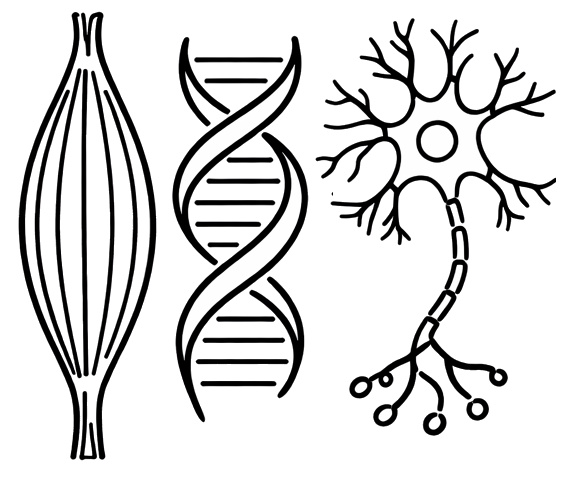
Although individually uncommon, rare diseases are so numerous that they collectively affect as many as one person in every 17 – in Canada, about 2 million people. Their rarity and diversity pose specific challenges for healthcare provision and research, and for the development and marketing of treatments. Our research program is primarily focused on defining the basic molecular and cellular mechanisms that cause severe and disabling disorders of muscle and nerve in humans, so-called neuromuscular disorders (NMD), to enable improved diagnosis, better care and development of effective treatments.
Diagnostics and gene discovery
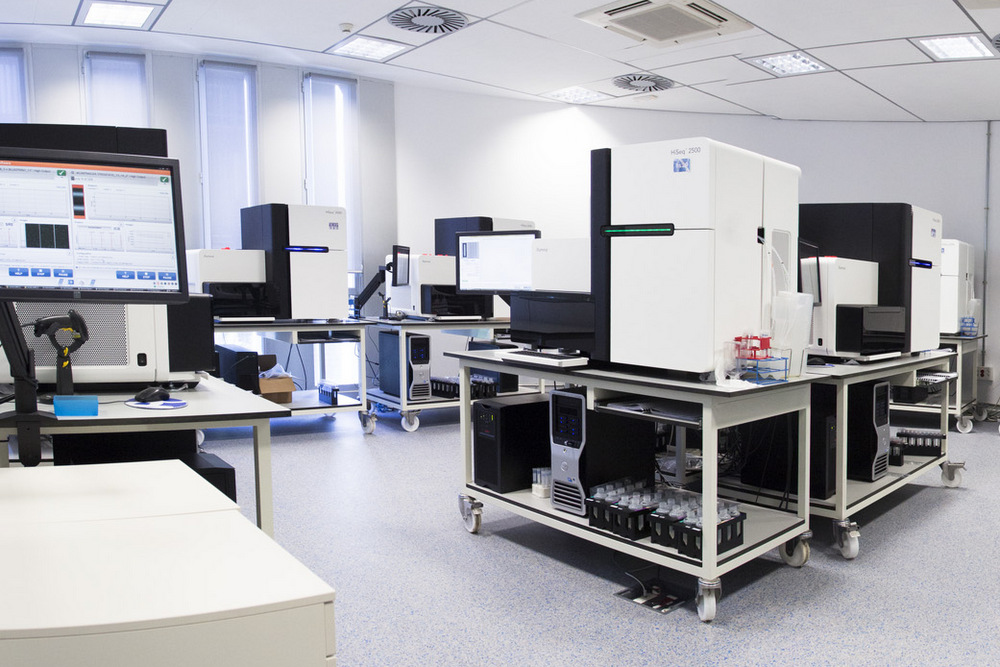
Our group is dedicated to providing patients and families affected by neuromuscular diseases with a rapid diagnosis so that they can be put onto the optimal care pathway and have the opportunity to participate in clinical research. In many cases, where the genetic test results reveal a defect that is already known to cause the…
Biomarker discovery and validation
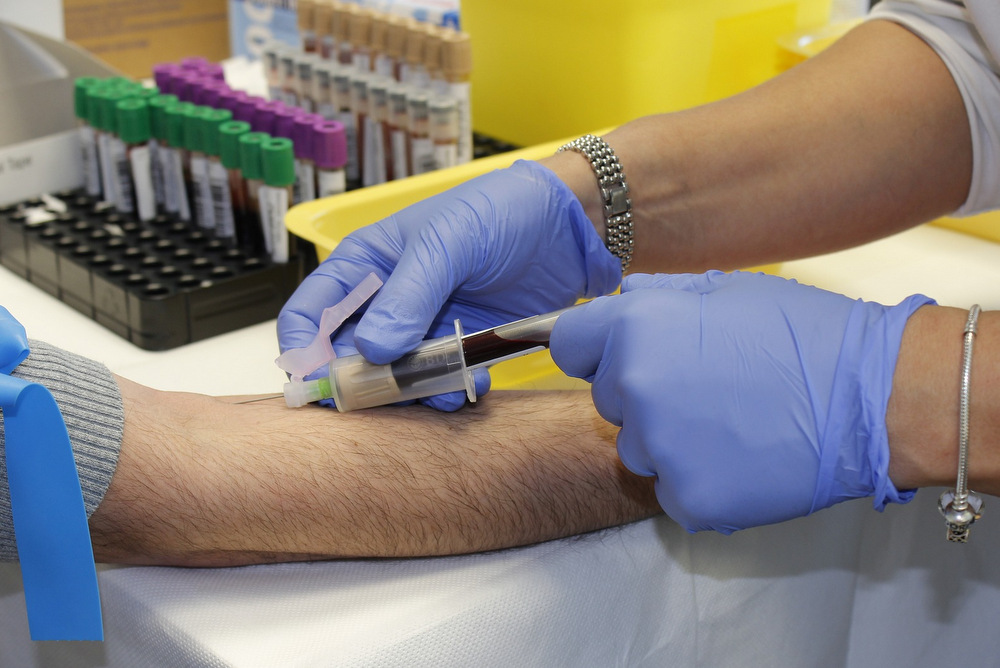
The National Institutes of Health’s Biomarkers Definitions Working Group defines a biomarker as “a characteristic that is objectively measured and evaluated as an indicator of normal biological processes, pathogenic processes, or pharmacologic responses to a therapeutic intervention.” Biomarkers have become an important read-out measure to study the therapeutic effect of drugs in clinical trials, in…
Identification of pathomechanisms
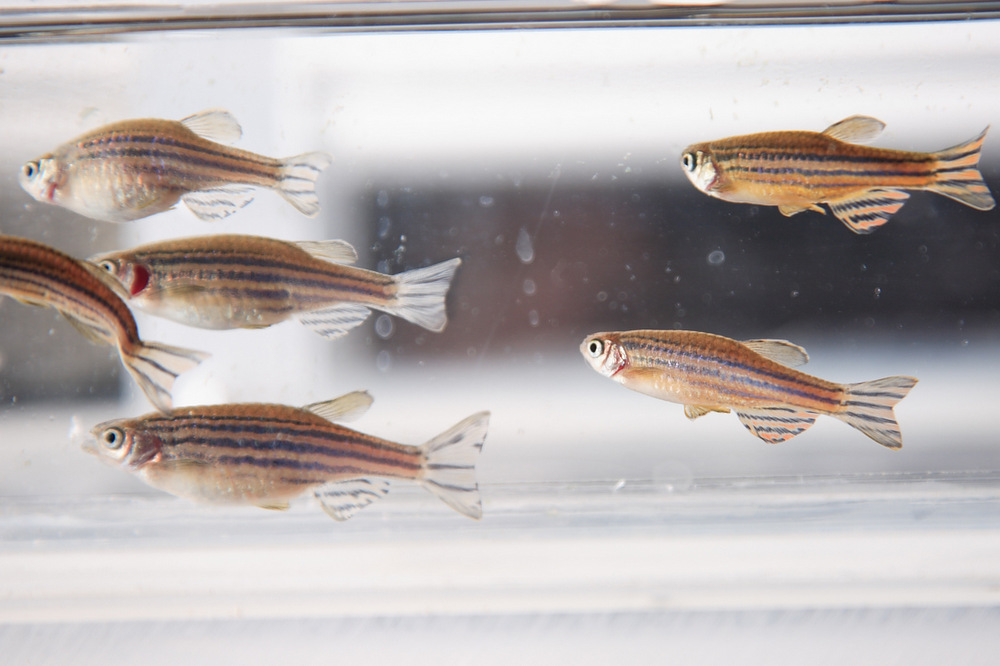
For many neuromuscular diseases, the genetic cause is known, and the challenge is then to translate these gene discoveries into patient-tailored treatments. To achieve this, disease-relevant models are essential to support characterization of the disease, unravel the pathogenic mechanisms, identify new therapeutic targets for intervention, and perform preclinical testing where potential therapeutics/targets are identified. The…